

Rails to the Cliffs: UK Seabird Journeys
Set off to explore coastal seabird colonies across the United Kingdom that can be reached by train, linking station platforms with crashing surf, dramatic headlands, and raucous nesting ledges. From Yorkshire’s white cliffs to Northumberland’s islands and Scotland’s gannet kingdoms, discover routes, stories, and practical tips for joyful, low-impact rail adventures that connect you with puffins, kittiwakes, razorbills, gannets, and terns at their most spectacular.
Where Tracks Meet Tides
Choosing Stations Close to the Action
Aim for stations that drop you within walking distance of viewpoints or reliable bus links. Bempton unlocks RSPB viewpoints on soaring chalk cliffs. North Berwick places you under the gaze of the Bass Rock. Stonehaven steps toward Fowlsheugh. Holyhead reaches South Stack. Alnmouth and Berwick-upon-Tweed connect you to piers and clifftops with scenic rides worth the fare alone.
Linking Buses, Boats, and Footpaths Seamlessly
Treat the last mile as part of the adventure. Coastal buses trace dramatic headlands, while harbor boats open crossing windows to islands when weather allows. Study seasonal timetables, buy tickets in advance where required, and allow generous buffers. A flexible mindset rewards you with serendipitous vistas, friendly chats with local skippers, and unexpected sightings along quiet footpaths.
Travel Light and Tread Carefully
A small daypack, layered clothing, grippy shoes, and a refillable bottle make cliff paths safer and simpler. Keep to waymarked trails and give nesting ledges space. Choose train travel for lower emissions, pack snacks in reusable containers, and carry litter out. Your presence should leave no trace beyond a fuller heart and a camera roll of respectful memories.
Clifftop Choirs of Yorkshire
Bempton Cliffs: A Walk from the Platform
Step off at Bempton station and meander country lanes to world-class viewpoints where gannets cruise like white arrows. Seasonal volunteers share sightings, while camera-users find forgiving perches above vast amphitheaters of noise. Arrive early for softer light, mind the edges, and pause to watch puffins commuting with beaks full of sand eels, their orange feet bright as buoys in clear air.
Flamborough Head Day Loop from Bridlington
Ride a quick train to Bridlington for buses onto the headland’s sweeping bays. North Landing and Thornwick Bay offer cliff-top paths, wind-carved stacks, and roosting ledges alive with motion. Birds course along the margins, passing startlingly close. Build a circular walk that returns with the tide, and listen for the eerie laughter of kittiwakes threading through the breeze like bells.
Photographing Ethically on Exposed Edges
Strong telephoto lenses reduce disturbance, and patience yields better frames than inching too near. Avoid drones, respect roped areas, and keep tripods clear of narrow paths. Wind gusts can surprise even experienced visitors; kneel low if composing at railings. Let portraits favor behavior over proximity, celebrating natural rhythm without imposing on fragile ledges or blocking someone else’s careful view.
Northumberland Crossings to the Farnes
Here, rails carry you into a landscape of castles, harbors, and island-dotted horizons. Alnmouth’s connections and Chathill’s limited services unlock buses to Seahouses, where boats fan out toward the Farne Islands. Puffins return with comical confidence, terns patrol with sharp intent, and shag-green plumage gleams in low sun. Prepare for swift weather turns and unforgettable landings guarded by spirited, sky-bright guardians.
From Alnmouth or Chathill to Seahouses
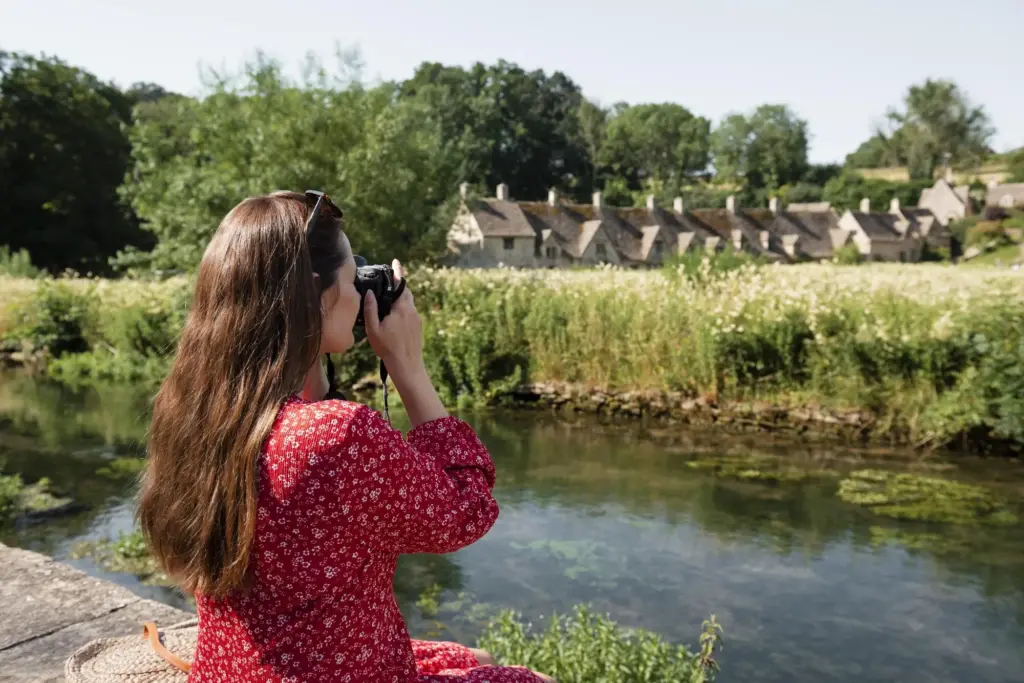
Alnmouth offers frequent trains and dependable bus links along the coastal spine, while tiny Chathill sees fewer stops but edges you closer. Either way, watch the seascape opening as dunes and fields slide past. In Seahouses, book with reputable skippers, confirm tide-dependent timings, and pack a warm layer. Harborside chatter mixes tide tables, bird calls, and salty tales from seasoned crews.

Landing Etiquette on Inner Farne and Staple
Wardens keep boardwalks safe, and signage protects burrows and sensitive vegetation. During peak tern defense, wear a hat and move purposely without lingering over nests. Let the wardens’ briefings guide your pace. The best encounters often come when you pause, breathe, and give space, letting birds decide the distance while you absorb wingbeats, sea spray, and a chorus stitched with wind.
Scotland’s East Coast Spectacle
From Edinburgh outward, rails unfurl toward clifftop towns and harbors alive with birds. North Berwick stares straight at the Bass Rock, a living cloud of gannets swirling like snow. Stonehaven steps off to Fowlsheugh’s echoing stages. Berwick-upon-Tweed, straddling borders, reaches St Abb’s Head. Trains, buses, and footpaths braid a journey of salt-sweet air, lighthouse silhouettes, and tireless wings carving the wind.
North Berwick and the Bass Rock
ScotRail runs swiftly from Edinburgh to a seafront town where the Bass Rock dominates every view. Boats, when conditions allow, carry you close to a world of gannet glare, bill-clacking greetings, and luminous droppings painting stark basalt white. The Scottish Seabird Centre anchors learning and logistics. Even from shore, binoculars reveal circling spirals, each bird a brushstroke in a vast, living mural.
Stonehaven to Fowlsheugh on Foot
Disembark at Stonehaven and follow clifftop paths south as the coast steepens, grass heads flickering in seabreezes. Fowlsheugh roars before it appears, ledges stippled with guillemots and razorbills. Give the drop its due respect; slippery turf and sudden gusts demand care. Reward comes in sweeping panoramas, wing-whirr rushes, and the quiet astonishment that one short walk could carry so much life.
Berwick-upon-Tweed Toward St Abb’s Head
From Berwick, buses and footpaths trace the coast toward St Abb’s Head’s stark cliffs and coves where kittiwakes stitch the air. Intertidal color shifts with every cloud. Bring layers and time your loop to daylight’s angle, letting low sun lift textures from crags. It is the kind of walk where conversation gently pauses, replaced by breath, wingbeats, and sea-sculpted silence.
Wild Wales by the Window Seat
Across Wales, rails frame a procession of estuaries, peninsulas, and island thresholds. South Stack rises beyond Holyhead in cliff-steep grandeur, while Skomer’s puffins beckon across short but weather-sensitive waters. Services converge with buses and footpaths that weave among heather, thrift, and salt-scoured rocks. Here, patience is currency and reward, traded for cliff-edge spectacles and boat-deck giggles as puffins rocket past.



Timing, Care, and Community
These journeys flourish with good timing, calm steps, and shared stories. Peak breeding runs roughly April through July, with earlier and later edges shaped by latitude and species. Prepare for cliff safety and bird welfare first, then photographs and lists. Comment with your favorite routes, subscribe for fresh rail-linked ideas, and compare notes kindly, building a community that celebrates seabirds while keeping every nest safe.
All Rights Reserved.